
A septic tank is designed to separate wastewater from the solids that settle at the bottom over time. Those solids don’t break down completely, so they need to be removed regularly. If too much sludge builds up, it can reduce the tank’s capacity and put unnecessary strain on the rest of the septic system.
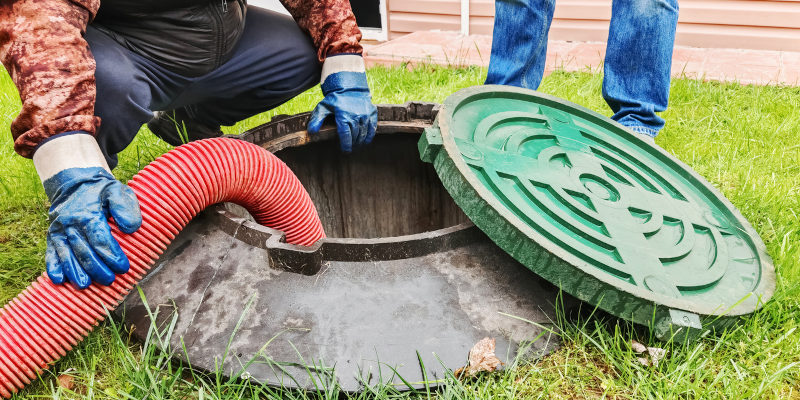
How often you need septic pumping depends on several factors, including:
- How Many People Use the System. The more people using the plumbing each day, the faster the septic tank fills and the more often it will need to be pumped.
- Daily Water Usage. Homes and businesses that use a lot of water typically put more demand on the septic system, which can shorten the time between service visits.
- Tank Size. Larger septic tanks can generally go longer between pumpings, but every system benefits from a consistent maintenance schedule.
- What’s Going Down the Drain. Grease, wipes, paper towels, and other materials that don’t break down easily can cause sludge to build up faster than normal.
Staying on top of septic pumping is much easier than dealing with a backup or a damaged drain field. A little preventive maintenance now can help you avoid bigger headaches, repair bills, and unexpected disruptions to your home or business later.
There’s no one septic pumping schedule that works for every property. At Texas Septic & Sewer, we take your tank size, usage, and system into account to recommend a maintenance plan that makes sense for you.